40 Most Forgotten Camping Items (Don’t Leave Them Behind)
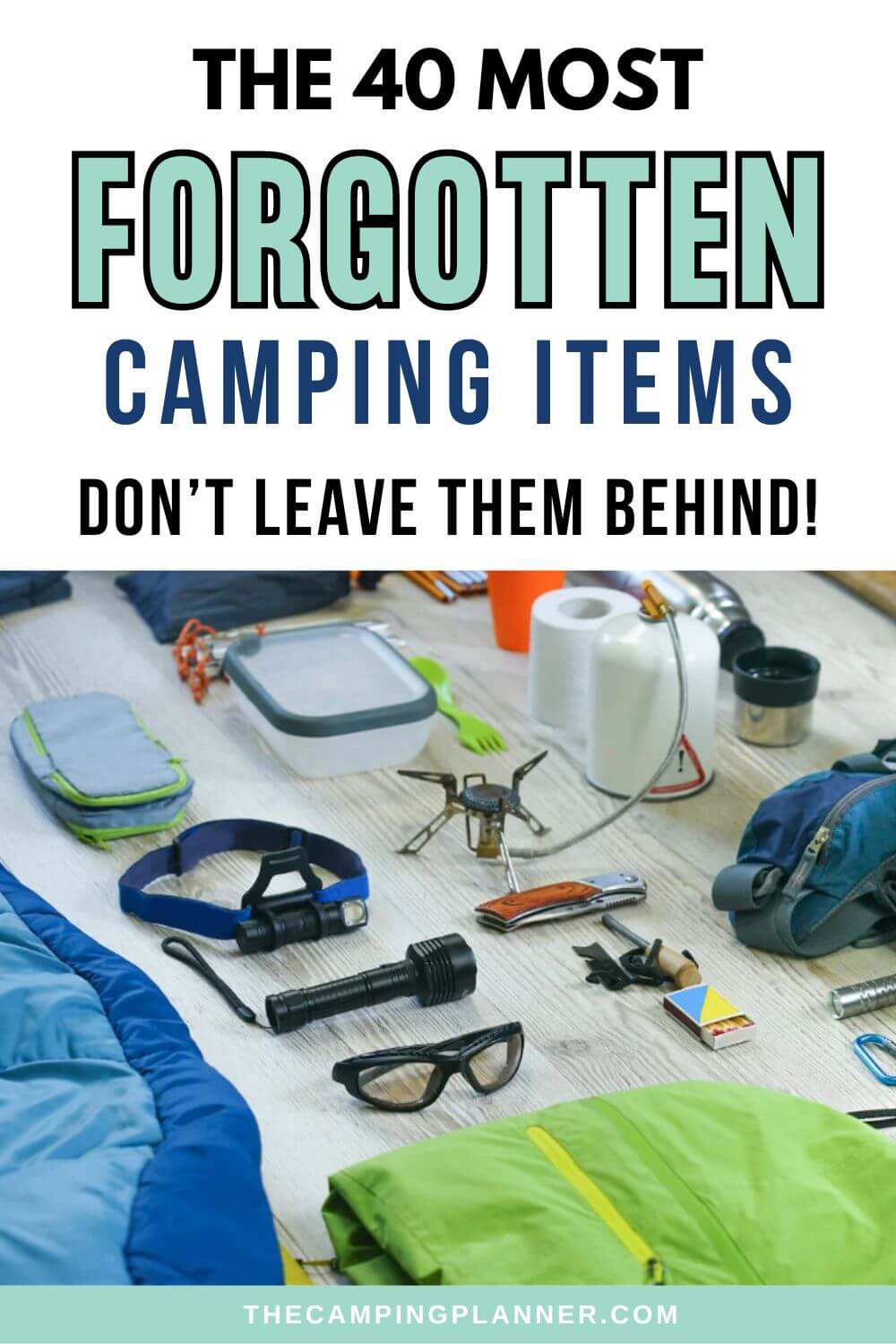
Wondering what the most forgotten camping items are so you don’t leave them behind? If you’ve ever been on a camping trip before, it’s almost guaranteed that you’ve forgotten camping items. It’s almost a given that you’ve left something behind.
But some of the camping gear left behind can greatly impact your trip in the worst possible way!
This list of things not to forget when camping will help you. Make sure you’ve got all the camping essentials sorted, including some of the items that might not appear on every camping essentials checklist!
*This post may contain affiliate links, which means if you click a link and make a purchase, I earn a commission at no additional cost to you. Read my full privacy policy for more info.
The Most Forgotten Camping Items
When it comes time for packing for your camping trips, there are so many items to remember!
The tent, sleeping bags, and food are the obvious ones. But there’s more to it, trust me.
So, before you escape to the wilderness, let’s make sure you’re not leaving anything crucial behind so you can have a successful camping trip with all the camping gear that makes it a good time.
1. Duct Tape
Duct tape is like the superhero of camping gear.
Got a hole in your tent? Duct tape. Broken sandal strap? Duct tape. Need to hang up a makeshift clothesline? Yes, you guessed it – duct tape.
It’s the fix-all solution that’s just too important to forget.
More often than not, something will go wrong. Hopefully a small something.
But quite a lot of these potential disasters can be solved with some sturdy duct tape to get you through your entire camping trip without needing to cut it short.
2. Trash Bags
Imagine arriving at your perfect campsite only to find it littered with trash. Not so dreamy anymore, right? Pack some extra trash bags.
They’re lightweight, take up minimal space, and can even double as rain ponchos or ground covers if Mother Nature throws a curveball your way.
They also ensure dirty clothes don’t soil your clean clothing.
This is often something forgotten entirely and that leaves you with the challenge of having somewhere to put your rubbish during your camping trip. You don’t want to be that person that leaves litter behind.
Go with the drawstring trash bags so you can tie them up and reduce the chances of wildlife getting into your trash overnight.
3. Tongs
Campfire cooking is difficult without the right campfire cooking utensils! And tongs are definitely top of that list to avoid burning yourself.
Make sure you choose some extra long tongs to help avoid injury and it’s not a bad idea to bring a backup pair just in case!
4. Wood
Sure, gathering firewood is part of the camping experience. But sometimes, isn’t always readily available at campgrounds, especially if everyone else has the same idea.
Bring your own wood to ensure you can cook your meals, stay warm and keep those ghost stories going around the campfire.
This is especially important if it has rained recently or the weather conditions are unpredictable, so you can ensure you’ve got dry firewood when camping.
5. First Aid Kit
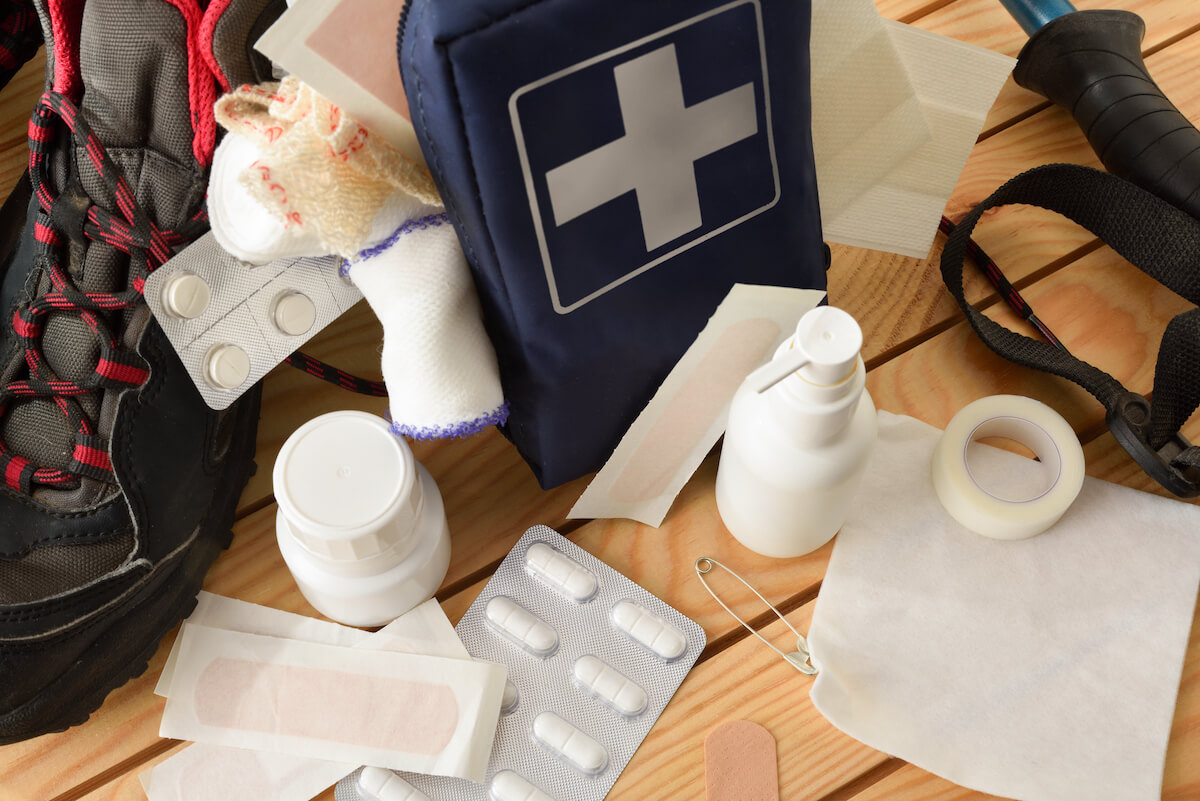
A complete first aid kit is the thing you hope you won’t need but you’ll be so glad to have.
From minor cuts and scrapes to more serious injuries, a well-stocked first aid kit is a must. It’s always better to be safe than sorry.
It should at least have band-aids, tweezers, bandages, antiseptic wipes or cream.
6. Hats
Whether it’s a wide-brimmed sun hat, a warm beanie, or your favourite baseball cap, a good hat can protect you from the elements and protect your face from dreaded sunburn!
7. Sunscreen
You might think you only need sunscreen for beach vacations, but that’s not the case. When you’re out in the wilderness, the sun can be just as harsh. This includes a sunny winter day!
Pack sunscreen to protect your skin from harmful UV rays – even on cloudy days!
8. Fire Starters/Matches
There’s something magical about sitting around a campfire, roasting marshmallows and sharing stories. But if you can’t get that fire started, the magic quickly fades.
Don’t forget to pack reliable fire starters. A reliable lighter or matches are crucial for starting a fire.
THE ULTIMATE CAMPING PLANNER
47 printable planning pages of packing lists, activities, meal planner, campsite research & more!
9. Extra Fuel
If you’re planning to cook meals on a camping stove, remember to bring extra fuel.
Nothing ruins a camping dinner faster than running out of fuel halfway through cooking or when you need to power up your other fuel-based camping equipment.
10. Paper Towels
Spills happen, especially when you’re balancing your dinner plate on your lap. Paper towels are great for cleaning up spills, wiping down wet picnic tables, and even doubling as napkins.
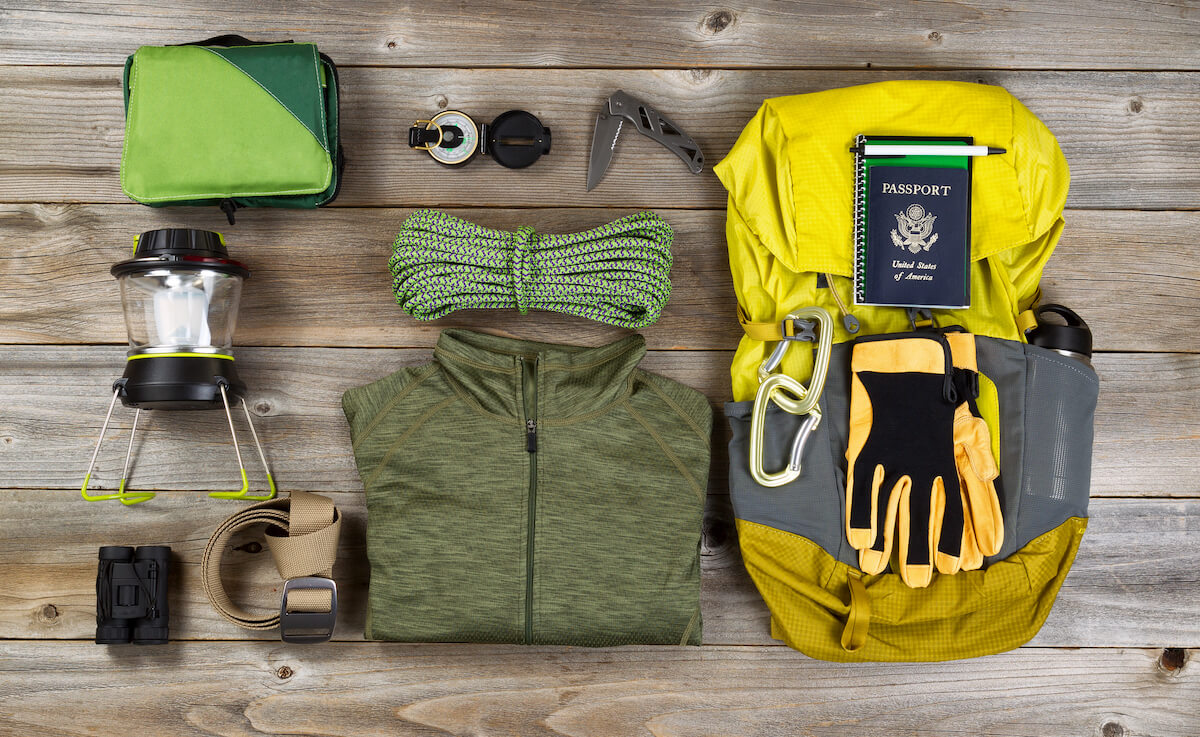
11. Headlamp Or Torch
When nature calls in the middle of the night, you don’t want to be fumbling around in the dark.
A headlamp or torch is perfect for those midnight bathroom trips or navigating campsites in the dark.
12. Lantern/Lighting
As the sun sets and the stars come out, your campsite can become a dark place with quite a few tripping hazards, away from the big city light pollution.
A lantern or other form of lighting can help you see your surroundings and create a cozy atmosphere.
This can include a lantern, solar lights or string lights to give you some extra lighting.
13. Extra Shoes
Ever tried to trek through the wilderness with wet shoes? Not fun.
Always pack an extra pair of shoes. Your feet will thank you. A pair of camp sandals are also a good option for using public bathrooms and avoiding any barefoot injuries near the campsite.
14. Cutting board
A sturdy cutting board is invaluable when you’re prepping meals outdoors. This is a must for camp cooking meal prep.
15. Bug Spray
Nothing ruins a beautiful evening faster than being swarmed by mosquitoes. A reliable bug spray can keep those pesky insects at bay so you don’t end up itchy and miserable!
16. Clothes Line & Pegs
A clothesline and pegs are incredibly useful for drying wet clothes or towels. Plus, they take up almost no space when added to your camping checklist.
It can be hung between trees or on gazebo poles, depending on how sturdy your gazebo is.
This retractable clothesline is a good option for saving space.
17. A mallet or hammer
You might think you’re strong enough to push those tent stakes into the ground with your bare hands or foot but trust me, a rubber mallet or hammer will make your job a lot easier.
It will also ensure they are properly staked into the ground so your tent doesn’t fall down in the middle of a windy night!
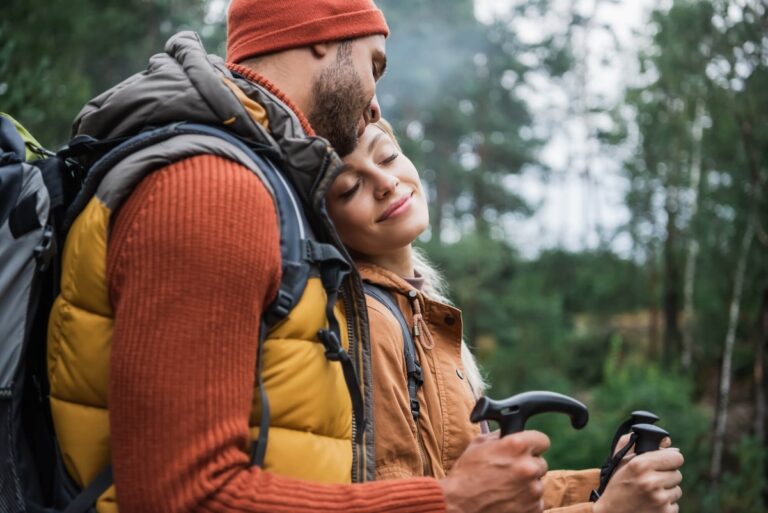
18. Hiking Gear
If you plan to explore the trails, don’t forget your hiking gear. Good quality hiking shoes, a water bottle, and a small backpack to put your hiking essential items in.
Make sure you pack the right clothing items for a hike too, with options to suit the current weather.
19. Extra Socks
Nothing makes you more miserable than cold, wet feet! And soggy socks are a quick way to end up sick by the time you get home from your next camping trip.
Always pack extra socks to help keep your feet dry and warm.
20. Toilet Paper
Even when you’re out in nature, some comforts are still necessary. Don’t forget the toilet paper.
Some campgrounds do have toilet facilities but don’t assume they will be well stocked! You don’t want to get caught out with nothing to wipe with. Ewww.
21. Towels
Whether you’re drying off after a swim in the lake, after your camp shower or wiping the morning dew off your chair, you’ll be glad you packed extra towels!
22. Feminine Hygiene Products
Ladies, this one’s for you. Even if you don’t expect to need them, it’s always a good idea to have feminine hygiene products on hand. Better safe than sorry!
This is another thing that could end your next camping trip early if you’re not prepared.
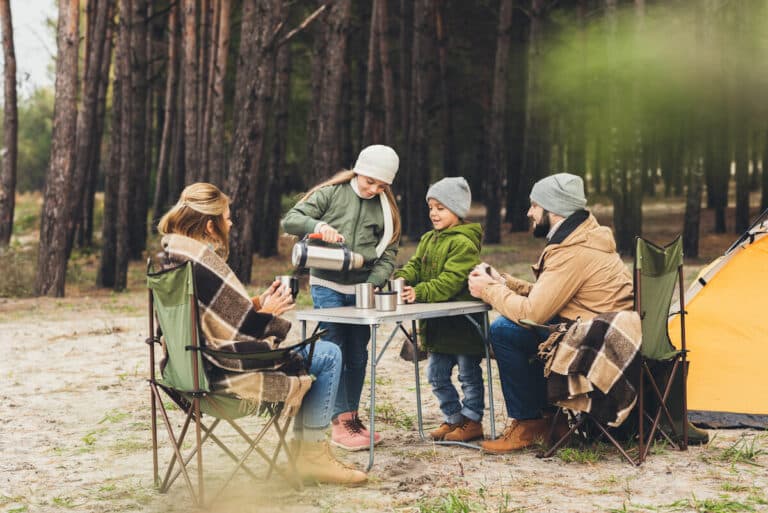
23. Camping Table
While remembering the camping chairs is usually high on the list of tent camping essentials, all too often people forget to take a picnic table on their camping trips.
A small folding table is useful for many reasons. Sitting around for meals. Preparing meals. Playing games or doing other activities.
Some folding camping tables have a storage basket underneath, like this one, for extra storage at your campsite.
24. Wet Wipes
For those times when you can’t quite get to a shower, wet wipes are a lifesaver. They’re perfect for freshening up after a long hike or before crawling into your sleeping bag.
You can also use them to wipe down tables and chairs, wipe up spills, and just help keep everything cleaner.
25. Extra Batteries
Flashlights, lanterns, radios… all these things need power. Don’t forget to pack extra batteries. You never know when you’ll need them.
And make sure the spare batteries are the right size for your battery-operated gear! This includes rechargeable battery packs.
26. Pillow
A good night’s sleep is essential when you’re spending your days hiking and exploring. Don’t forget to pack a camping pillow.
While the sleeping bag is rarely forgotten, a pillow is definitely one of those easily forgotten items.
27. Knife
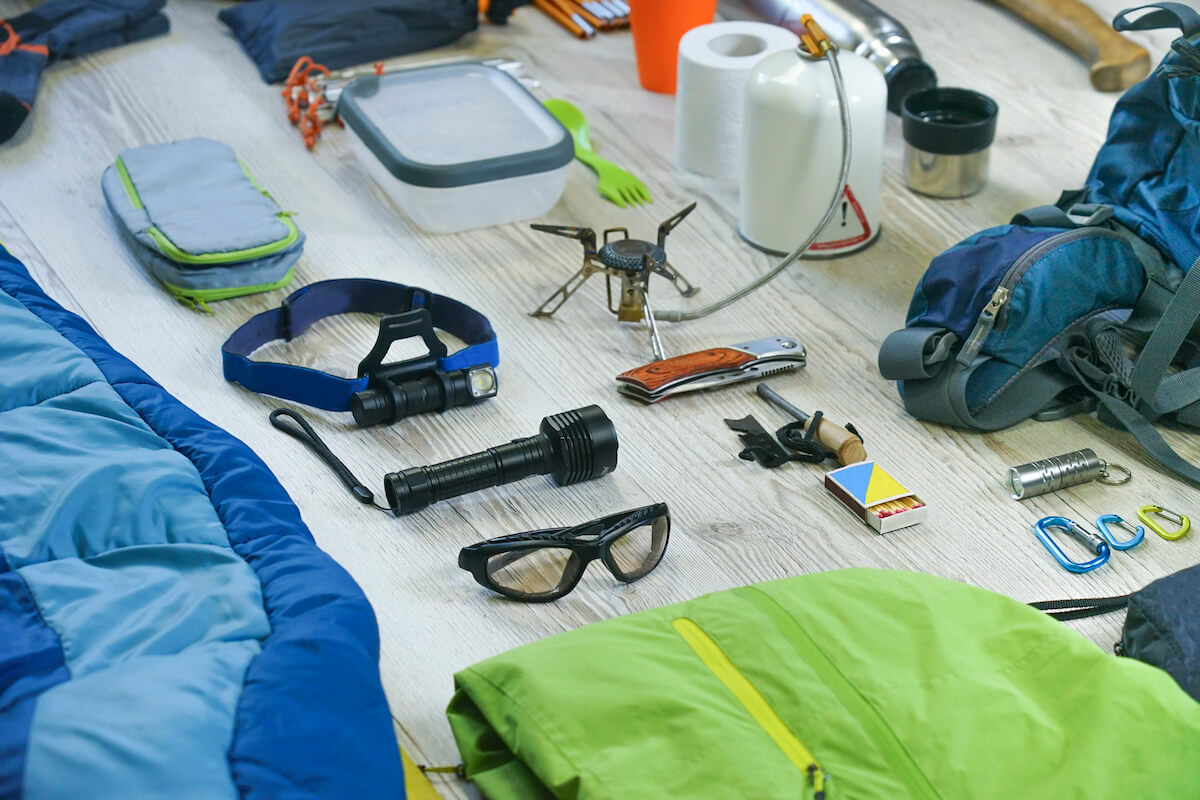
Whether you’re cutting rope, preparing food, or collecting firewood, a good hatchet or knife is an indispensable tool to bring camping.
This might be a pocket knife, just so long as you’ve got something to use for all those tricky needs.
28. Ground Cover
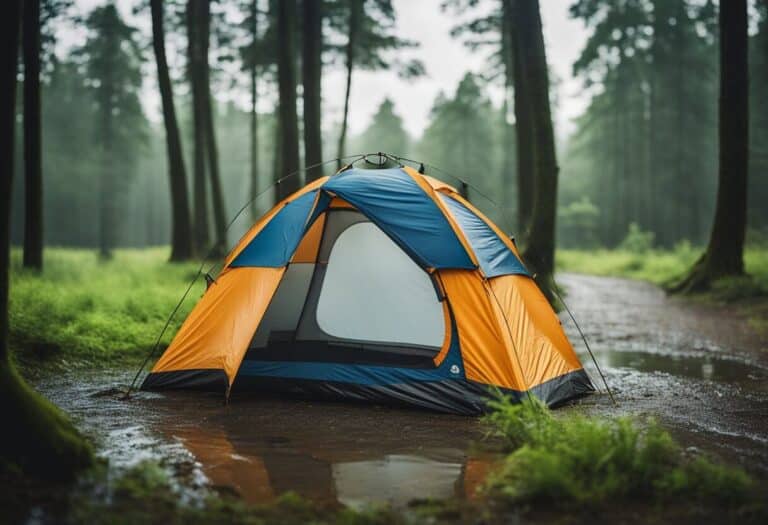
A ground cover can help keep your tent floor dry, warmer, and comfortable.
This extra layer is even more essential during the winter months or when camping in rainy weather.
An extra ground cover such as a tarp or a camping rug is good for outside your tent entrance too to help prevent dirt and mud from being tracked into your tent each time you enter.
29. Wash Tub
If you plan on washing dishes or clothes during your trip, a wash tub can make the task a lot easier.
A large plastic tub in which you can squirt a little dishwashing liquid in with water will make it easy to clean your dishes.
This collapsable tub can also be used for packing your non-perishable food items or camp kitchen supplies to and from your campsite so you don’t have loose items floating about your car trailer.
30. Water
Staying hydrated is crucial when camping. Always bring plenty of water, even if you expect to have access to a freshwater source.
This is an essential item for your well-being, especially on warm summer days when we sweat more and need to drink more water.
31. Navigation Tools
Even if you plan to stay put at your campsite, having navigation tools like a GPS device or compass can be a lifesaver in case of emergencies.
32. Medication
If you take regular medication, don’t forget to pack enough for your trip. It’s also a good idea to bring some basic over-the-counter remedies like pain relievers for headaches, allergies, or upset stomachs.
33. Sunshade or Tarp
A sunshade or tarp can provide much-needed relief on hot, sunny days. It can also add an extra layer of protection against rain or dew.
This can be a tarp strung between tents or trees or a pop-up gazebo to provide protection over your camp kitchen or give you a dry area when the great outdoors gives you unexpected rain!
34. Umbrella
An umbrella isn’t just for city streets. It can come in handy when you need to make a quick dash to the bathroom in the middle of a downpour.
It can be easier to throw on than a rain poncho if you’re just making a quick trip to the toilet.
35. Coffee or tea
There’s nothing quite like sipping a hot cup of coffee or tea as the sun rises over your campsite. Don’t forget your favourite brew.
This is a great guide on how to make coffee while camping.
36. Toothbrush and Toothpaste
Just because you’re out in the wilderness doesn’t mean you should neglect your oral hygiene. Remember to pack your toothbrush and toothpaste.
Personal hygiene items are often overlooked when preparing your list of essential items for camping. Also remember to bring things such as scent-free deodorant, a small shampoo and your hairbrush!
37. Jumper Cables
They might seem out of place on a camping trip, but if your vehicle’s battery dies, you’ll be glad you packed jumper cables so you can get home after car camping.
38. Cooking Essentials
Pots, pans, utensils… don’t forget the tools you’ll need to cook those delicious campfire meals on your camp stove.
This even includes basic cutlery, plates, cups, bowls, tea towels and other camp kitchen basics.
39. Sleeping Pad or Mattress
Sleeping on the hard ground can put a damper on your camping trip, even with a great sleeping bag.
Comfortable sleeping pads or an air mattress can make your sleep experience a whole lot more comfortable so you don’t return home miserable with a kink in your neck.
40. Camping Activities
And last but not least, don’t forget to pack some fun camping activities to do together.
Not every moment will be active and it’s good to have some quiet time activities. Especially for nighttime or during bad weather.
Camping card games, board games, fishing gear, or a good book can fill in the downtime and create some great memories of relaxing in the great outdoors.
Conclusion: Things Not To Forget When Camping
There is nothing worse than forgetting the essentials on your camping trip! Before you hit the road, double-check this list. It might just save your camping trip from being remembered as “the time we forgot the…”.
More camping gear tips: